GLOBAL EDUCATION:
INTRODUCTION:
In an era marked by rapid globalization, interconnectedness, and unprecedented challenges, the need for global education has never been more urgent. Global education is not just about learning facts and figures; it's about fostering a deep understanding of the world, cultivating empathy and respect for diverse cultures and perspectives, and empowering individuals to become active and informed global citizens.
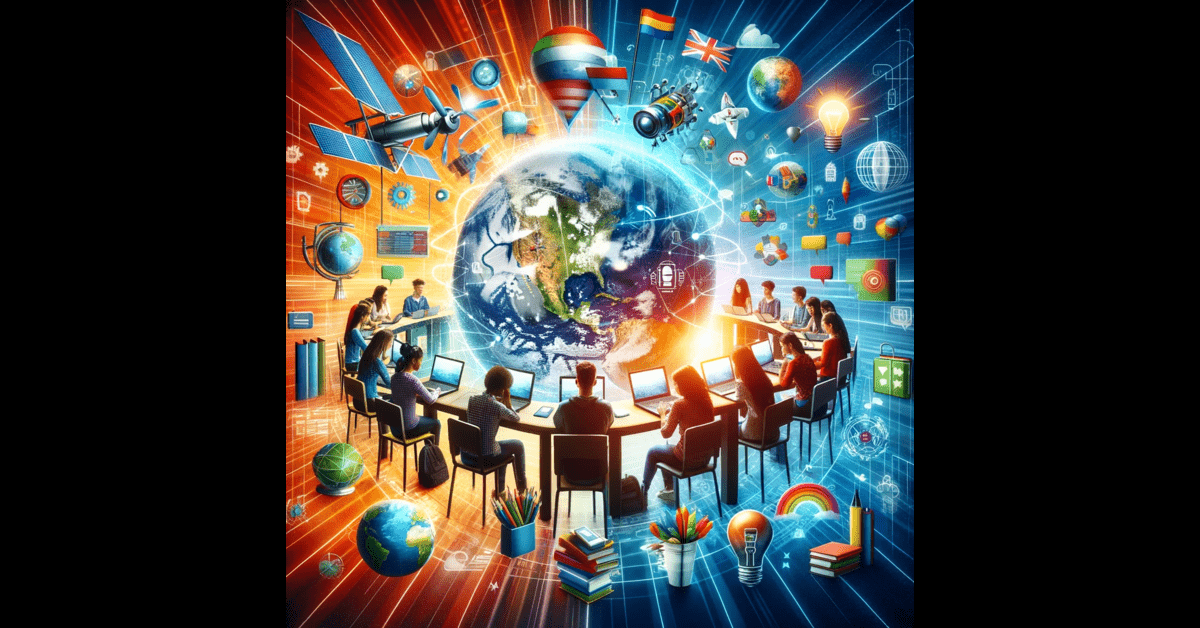
- Global education goes beyond the boundaries of traditional subjects like math and science, encompassing a wide range of interdisciplinary topics such as environmental sustainability, social justice, human rights, cultural diversity, and global interconnectedness. It encourages learners to explore complex global issues, ask critical questions, and engage in meaningful dialogue with others from different backgrounds and experiences.
- At its core, global education seeks to equip individuals with the knowledge, skills, and dispositions needed to navigate and thrive in an increasingly complex and interconnected world. It promotes cultural awareness, intercultural understanding, and appreciation for diversity, fostering a sense of global citizenship and responsibility.
In this introduction to global education, we'll explore the key concepts, principles, and goals of global education, as well as the approaches, challenges, and opportunities inherent in this transformative approach to teaching and learning. From exploring pressing global issues to engaging in experiential learning opportunities and advocating for positive change, global education empowers individuals to make a difference in their communities and the world at large.
Definition and Scope of Global Education:
Global education is an interdisciplinary approach to teaching and learning that encompasses a wide range of concepts, themes, and perspectives related to global issues, interconnectedness, and cultural diversity. It goes beyond traditional academic subjects to promote awareness, understanding, and engagement with the complex challenges and opportunities of a rapidly changing world. Here's a detailed exploration of the definition and scope of global education:
- Interdisciplinary Nature: Global education draws on insights and methodologies from diverse disciplines, including social sciences, humanities, natural sciences, and the arts. It integrates concepts, themes, and perspectives from multiple disciplines to provide a holistic understanding of global issues and phenomena.
- Global Issues and Challenges: Global education addresses a broad range of global issues and challenges, including but not limited to:
- Environmental sustainability and climate change
- Poverty, inequality, and social justice
- Human rights, diversity, and inclusion
- Peacebuilding, conflict resolution, and global security
- Economic development, trade, and globalization
- Cultural heritage, identity, and intercultural dialogue
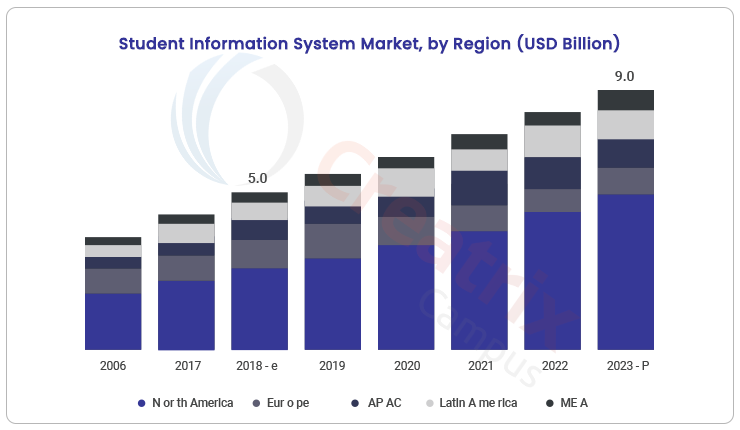
- Cultural Diversity and Intercultural Understanding: Global education promotes respect, empathy, and appreciation for cultural diversity and fosters intercultural understanding and dialogue among individuals from different backgrounds, identities, and perspectives. It encourages learners to recognize and value the richness of human diversity and to navigate cultural differences with sensitivity and respect.
- Global Citizenship and Civic Engagement: Global education cultivates the knowledge, skills, and dispositions needed for active and informed global citizenship. It empowers individuals to engage critically with global issues, participate in democratic processes, advocate for social justice and human rights, and contribute positively to local and global communities.
- Lifelong Learning and Continuous Inquiry: Global education emphasizes lifelong learning and continuous inquiry into global issues and phenomena. It encourages learners to ask questions, seek answers, and critically evaluate information from multiple perspectives. It fosters curiosity, open-mindedness, and a commitment to ongoing learning and growth.
- Practical Application and Action-Oriented Learning: Global education goes beyond theoretical knowledge to promote practical application and action-oriented learning. It encourages learners to apply their knowledge and skills to real-world problems and challenges, to take action for positive change, and to make informed decisions that contribute to a more sustainable, just, and equitable world.
- Ethical Considerations and Values: Global education incorporates ethical considerations and values into its approach to teaching and learning. It encourages learners to reflect on ethical dilemmas, to consider the ethical implications of their actions and decisions, and to develop ethical frameworks and principles that guide their behavior as global citizens.
Key Concepts and Principles of Global Education:
- Interconnectedness: Global education recognizes the interconnected nature of the world, where events and decisions in one part of the globe can have far-reaching impacts elsewhere. It emphasizes the interdependence of nations, cultures, economies, and ecosystems, highlighting the need for collaboration and cooperation to address global challenges.
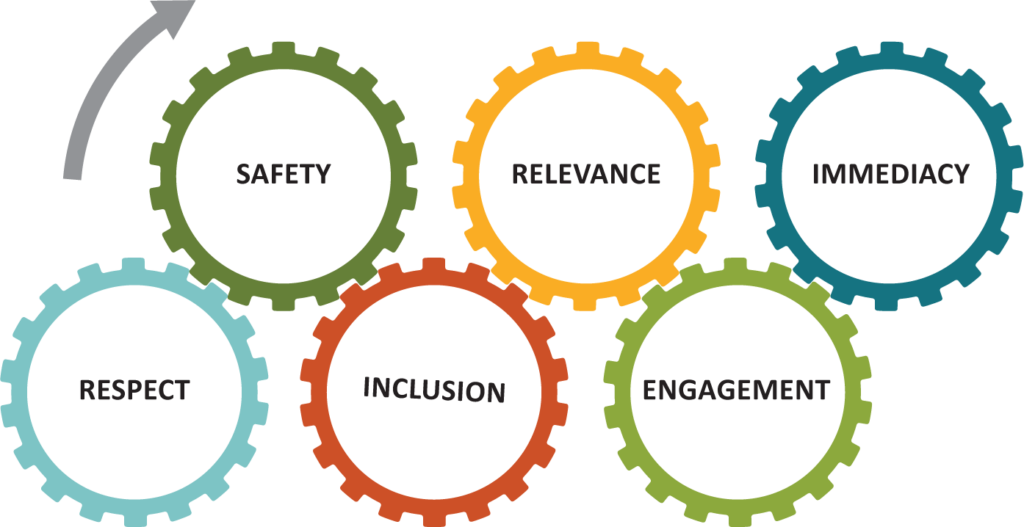
- Cultural Diversity: Cultural diversity is a fundamental principle of global education, acknowledging the richness and complexity of human cultures and identities. Global education promotes respect, empathy, and appreciation for cultural diversity, fostering intercultural understanding and dialogue among individuals from different backgrounds.
- Intercultural Understanding: Intercultural understanding is the ability to recognize, appreciate, and respect cultural differences while finding common ground and building connections with others. Global education encourages learners to engage in meaningful dialogue, exchange perspectives, and navigate cultural differences with sensitivity and respect.
- Global Citizenship: Global citizenship is a key concept in global education, referring to the idea that individuals have rights, responsibilities, and identities that transcend national borders. Global citizens are informed, active, and engaged members of local and global communities who advocate for social justice, human rights, and sustainability.

- Social Justice: Social justice is central to global education, addressing issues of fairness, equality, and human rights on a global scale. Global education promotes awareness of social injustices such as poverty, inequality, discrimination, and oppression, encouraging individuals to take action to promote positive change and social transformation.
- Sustainability: Sustainability encompasses environmental, social, and economic dimensions, emphasizing the need to meet the needs of the present without compromising the ability of future generations to meet their own needs. Global education advocates for sustainable development practices that promote environmental stewardship, social equity, and economic prosperity.
- Ethical Considerations: Ethical considerations are paramount in global education, guiding individuals' behavior and decision-making in relation to global issues and challenges. Global education encourages reflection on ethical dilemmas, consideration of diverse perspectives, and adherence to principles of fairness, integrity, and respect for human dignity.
- Critical Thinking: Critical thinking is a core principle of global education, empowering individuals to analyze information, evaluate arguments, and make informed decisions about global issues. Global education fosters the skills of critical thinking, inquiry, and problem-solving, enabling individuals to navigate complex global challenges with confidence and clarity.
Challenges and Considerations in Global Education:
- Cultural Sensitivity and Respect: One of the primary challenges in global education is navigating cultural differences and ensuring cultural sensitivity and respect in educational settings. Educators must be mindful of diverse cultural norms, values, and perspectives when designing curriculum and interacting with students from different cultural backgrounds.
- Language Barriers: Language barriers can pose significant challenges in global education, particularly in multicultural and multilingual classrooms. Educators must address language differences by providing language support, translation services, and culturally relevant materials to ensure that all students can fully participate and engage in learning activities.
- Equitable Access to Education: Ensuring equitable access to global education opportunities for all learners, regardless of socioeconomic status, geographic location, or cultural background, remains a persistent challenge. Addressing barriers to access, such as lack of resources, infrastructure, and educational opportunities, requires concerted efforts by policymakers, educators, and community stakeholders.
- Ethical Dilemmas and Controversial Issues: Global education often involves exploring complex and controversial issues such as human rights abuses, social injustice, and geopolitical conflicts. Educators must navigate ethical dilemmas and sensitivities when addressing these topics, ensuring that discussions are respectful, inclusive, and age-appropriate.

- Resource Constraints: Limited funding, time, and resources can hinder the implementation of comprehensive global education programs and initiatives. Educators may face challenges in accessing quality teaching materials, professional development opportunities, and technology tools needed to effectively integrate global education into the curriculum.
- Political and Cultural Sensitivities: Addressing sensitive or politically charged global issues in educational settings can be challenging due to cultural sensitivities, government regulations, and censorship concerns. Educators must navigate these complexities carefully, promoting open dialogue, critical thinking, and respectful debate while respecting diverse viewpoints and perspectives.
- Teacher Preparation and Professional Development: Many educators lack adequate training and preparation in global education pedagogy and content, limiting their ability to effectively incorporate global perspectives into the curriculum. Providing ongoing professional development opportunities and support for teachers is essential to enhance their knowledge, skills, and confidence in teaching global education topics.
Benefits and Goals of Global Education:
- Cultural Awareness and Sensitivity: Global education promotes cultural awareness, sensitivity, and respect by exposing individuals to diverse cultures, traditions, and perspectives from around the world. By understanding and appreciating cultural differences, individuals develop empathy, tolerance, and intercultural competence.
- Intercultural Understanding: Global education fosters intercultural understanding by encouraging individuals to engage in meaningful dialogue, exchange perspectives, and build connections with people from different cultural backgrounds. By recognizing commonalities and finding shared values, individuals develop a deeper appreciation for diversity and a sense of global solidarity.
- Critical Thinking and Analysis: Global education cultivates critical thinking skills by challenging individuals to analyze complex global issues, evaluate diverse viewpoints, and question assumptions. By engaging in critical inquiry and reflection, individuals develop the ability to think critically, discern fact from opinion, and make informed decisions about global issues.
- Empathy and Compassion: Global education fosters empathy and compassion by exposing individuals to the experiences, challenges, and perspectives of others around the world. By empathizing with the struggles and aspirations of people from diverse backgrounds, individuals develop a sense of empathy, compassion, and social responsibility.
- Global Citizenship: Global education promotes global citizenship by empowering individuals to become informed, active, and engaged members of local and global communities. By understanding their rights, responsibilities, and impacts as global citizens, individuals advocate for social justice, human rights, and sustainability.

- Problem-Solving and Innovation: Global education encourages problem-solving and innovation by challenging individuals to address pressing global issues creatively and collaboratively. By engaging in real-world challenges and projects, individuals develop the skills, confidence, and resilience needed to tackle complex problems and generate innovative solutions.
- Social Justice and Equity: Global education advocates for social justice and equity by raising awareness of systemic inequalities, discrimination, and oppression on a global scale. By promoting social justice principles such as fairness, equality, and human rights, individuals work towards building a more just, inclusive, and equitable world for all.
- Environmental Stewardship: Global education emphasizes environmental stewardship by promoting awareness of environmental issues, sustainability practices, and the interconnectedness of ecosystems. By understanding the impact of human activities on the planet, individuals develop a sense of responsibility and commitment to protecting the environment and preserving natural resources for future generations.
- Cross-Cultural Communication: Global education enhances cross-cultural communication skills by providing opportunities for individuals to communicate effectively with people from diverse cultural backgrounds. By learning to navigate cultural differences and communicate across linguistic and cultural barriers, individuals develop the ability to collaborate and interact in multicultural settings.
- Personal Growth and Development: Global education fosters personal growth and development by expanding individuals' perspectives, challenging their assumptions, and encouraging them to step outside their comfort zones. By embracing new experiences, embracing diversity, and embracing diversity, individuals develop resilience, adaptability, and a sense of curiosity and openness to the world around them.
Implementation and Initiatives in Global Education:
- Curriculum Integration: Schools and educational institutions can integrate global education principles and content into existing curricula across subject areas. This can include incorporating global perspectives, case studies, and thematic units into lesson plans and learning activities. By embedding global education into the curriculum, students gain exposure to diverse perspectives and develop a broader understanding of global issues.
- Professional Development: Educators can participate in professional development programs, workshops, and training sessions to enhance their knowledge, skills, and competencies in global education pedagogy and content. Professional development opportunities can focus on topics such as intercultural communication, global citizenship education, and curriculum design for global learning.
- Internationalization of Curriculum: Schools and universities can internationalize their curriculum by offering courses, programs, and learning experiences that emphasize global perspectives and cross-cultural understanding. This may include study abroad programs, international exchange opportunities, and partnerships with educational institutions in other countries.
- Global Citizenship Education Initiatives: Various organizations and NGOs offer global citizenship education initiatives aimed at promoting awareness, understanding, and engagement with global issues among students and educators. These initiatives may include curriculum resources, teaching materials, and professional development opportunities focused on topics such as human rights, sustainability, and social justice.
- Service-Learning Projects: Service-learning projects provide students with opportunities to apply their knowledge and skills to real-world issues and challenges while making a positive impact in their communities and beyond. By engaging in service-learning projects with a global focus, students develop a sense of civic responsibility, empathy, and social awareness.
- Cross-Cultural Exchange Programs: Educational institutions can facilitate cross-cultural exchange programs that bring together students and educators from different cultural backgrounds to collaborate on projects, share experiences, and build relationships. Cross-cultural exchange programs promote intercultural understanding, friendship, and collaboration across borders.

- Partnerships and Collaborations: Schools, universities, NGOs, and community organizations can collaborate to develop and implement global education initiatives. Partnerships may involve joint curriculum development, research projects, teacher exchanges, and community outreach activities focused on global issues and cross-cultural learning.
- Online Learning Platforms: Online learning platforms and digital resources provide access to global education content and opportunities for learners around the world. Virtual classrooms, webinars, and online courses offer flexible and accessible ways for students and educators to engage with global education content and connect with peers from diverse backgrounds.
- Global Education Events and Conferences: Global education events and conferences bring together educators, policymakers, researchers, and practitioners to share knowledge, exchange ideas, and discuss best practices in global education. These events provide opportunities for networking, professional development, and collaboration on global education initiatives and projects.
- Community Engagement and Advocacy: Schools and educational institutions can engage with local communities to raise awareness of global issues, promote intercultural understanding, and advocate for positive change. Community engagement activities such as workshops, forums, and awareness campaigns mobilize individuals to take action on global issues and contribute to building a more just and sustainable world.
CONCLUSION:
- Through global education, individuals develop a sense of global citizenship and responsibility, recognizing their interconnectedness with others and their role in shaping a more just, sustainable, and equitable world. They become informed, active, and engaged members of local and global communities, working towards common goals of social justice, human rights, and environmental sustainability.
- While there are challenges and considerations to navigate in implementing global education initiatives, the potential for impact and transformation is immense. By investing in equitable access to education, providing ongoing professional development for educators, and fostering partnerships and collaborations across sectors, we can ensure that global education continues to thrive and make a meaningful difference in the lives of individuals and communities around the world.
Comments
Post a Comment